
The Repair Is the Relationship

Week Five — The Unhurried Summer

Let's normalize something up front: you will have moments this summer that don't go the way you wanted. You'll raise your voice. You'll say something sharper than you meant. You'll shut down when you meant to show up.
Same. Same. Same.
Rupture Isn't the Damage
A single hard moment is not trauma. Chronic, unrepaired rupture the pattern of disconnection with no return is where harm tends to accumulate over time. One raised voice, followed by a real repair, is a very different experience for a child than the same moment left alone.
That distinction matters, because a lot of parenting shame lives in the belief that losing your temper once means something has been broken permanently.
It hasn't.
What happens next is what shapes the relationship.

What Repair Actually Teaches
That relationships survive hard moments — arguably one of the most important things a child can learn.
That adults can be wrong, and that it's safe to say so out loud.
That big feelings, yours or theirs, don't end the connection.
And, quietly, how to repair because they're watching you model it every time you do. You are deposting in the bank everytime you repair.
Why Repair Gets Skipped
It can feel like weakness, or like it undermines your authority. Many parents never saw repair modeled themselves, so there's no template to draw from. And often, by the time the parent has regulated enough to circle back, the moment has already passed and it feels awkward to revisit.
All of that is understandable. None of it means repair isn't worth doing anyway.
Five Steps, Not a Script
Get regulated first. You can't repair from a dysregulated state — take the time you actually need before circling back. Your breathing has to be normal, your body open, and grounded.
Come close. Repair happens in proximity, not from across the room. Get down to their level. Soften your body before you speak. Wait to speak, practice just being.
Name what happened simply. "I raised my voice, and that wasn't okay." No elaborate explanation required. Minimal words!
Own it without over-explaining. "I was overwhelmed. That's mine, not yours." Resist the urge to justify! A short, clear ownership lands better than a long one.
Invite reconnection. A hug, a quiet moment, an invitation to play. You don't have to fix everything in that instant. The small gesture is often what brings the relationship back online.
You Don't Have to Be Perfect
You have to be repairable. That's a much more sustainable standard, and it's also the more honest one — no caregiver regulates every moment, every summer, every day.
Adaptations
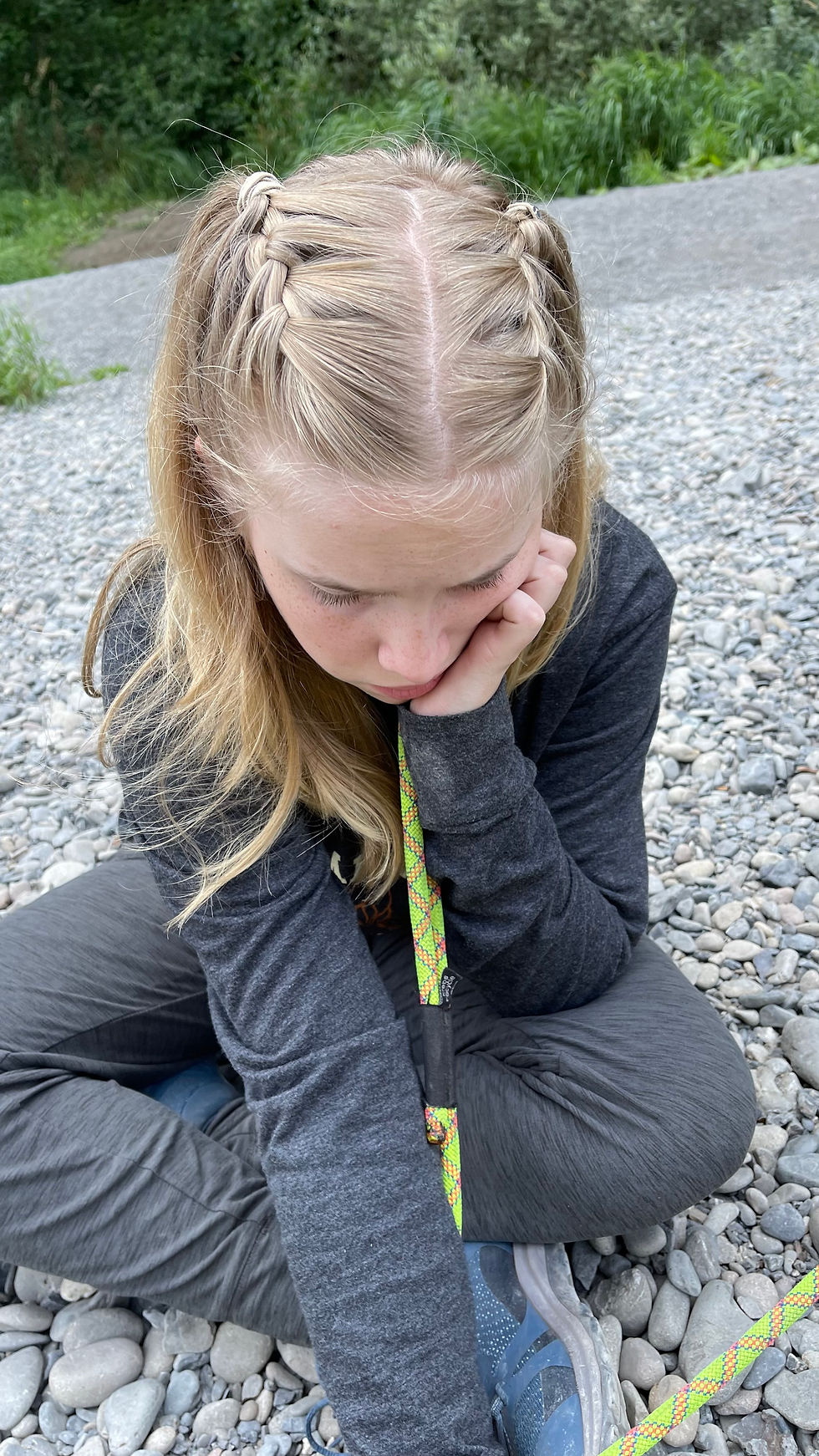
For a child who needs space before reconnecting, a repair doesn't have to happen the instant you're ready. A note, a quiet presence nearby, or waiting until they seek you out can work just as well as an immediate conversation. Many nuerodivergent children tend to lose the ability to speak when distress is high. My neurodivergent children have always preferred under the door note writing, close, no eye contact, simple notes back and forth until they are ready for a hug.
For a child with limited verbal language, repair might look like a gesture, a shared activity, or simply physical closeness rather than a spoken explanation.
For a teen, repair might be brief and low-key an acknowledgment in passing rather than a sit-down conversation and that's still repair.
The Closing Thought
This is where so much parenting shame lives, and it doesn't have to.
The rupture isn't the story. The coming back is.
This week's tip sheet, "How to Repair With Your Child in 5 Steps," walks through each step in more detail. Catch the full video for Week Five for more.



Comments