
Screens, Summer & the Regulated Brain

Week Four — The Unhurried Summer

Let's set the guilt down for a second. Screens are not the enemy. They're a tool, and like most tools, what matters is less about the tool itself and more about the state of the person using it.
Most screen time conflicts aren't really about screens.
They're about connection, regulation, and what was already happening in your child's nervous system before the device ever turned on.
What Actually Matters Neurologically
A few things tend to matter more than the number on the clock.
What state your child is in before they start. A screen picked up already dysregulated overtired, overwhelmed, avoiding something hard tends to function differently than one picked up from a calm, regulated place.
The type of content. Passive consumption, interactive play, and creative use aren't the same experience for a developing brain, even at the same number of minutes.
What happens at the transition. The hardest moment in almost any screen time conversation is stopping, not starting. That's where most of the friction lives.

A Tool, Not a Punishment: The Before-and-After Check-In
Rather than treating screen time as something to police, you can use it as a small source of information.
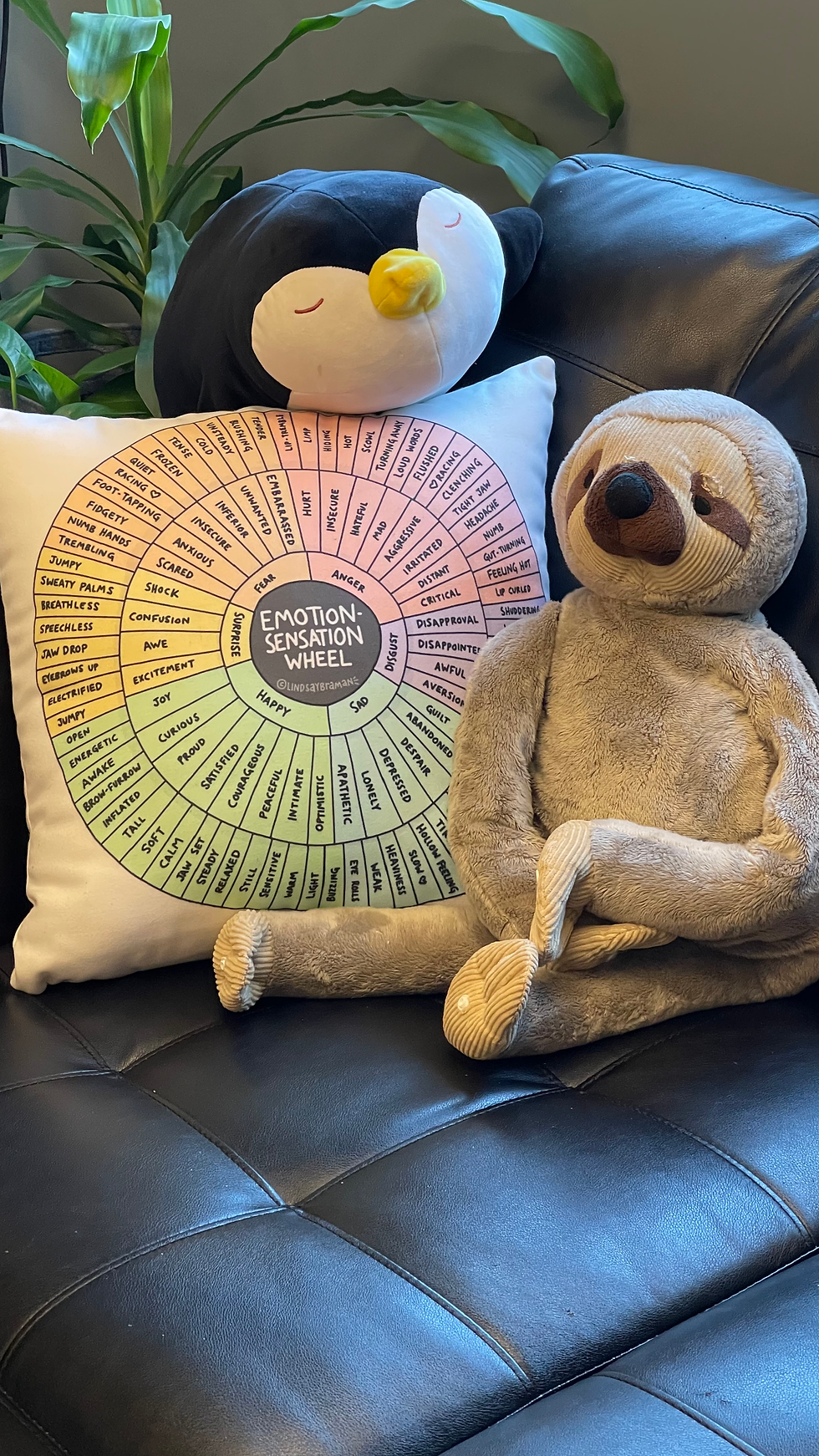
Before: "How's your body feeling?" This sets a baseline, and it also signals that you're paying attention to their state, not just the clock.
After: "How's your body feeling now?" Asked with curiosity rather than judgment, this can help a child start to notice their own patterns some kids find video games activating, others find them settling, and that's worth them knowing about themselves.
Summer-Specific Patterns Worth Watching
Screens as emotional avoidance can look different from screens as genuine rest both exist, and telling them apart usually takes more curiosity than a strict time limit does.
Screen creep is common in summer: thirty minutes quietly becomes three hours because no clear anchor was ever set, not because anyone did anything wrong.
Transitions That Actually Work
Nervous systems need runway. A ten-minute warning, then a two-minute warning, gives a child time to finish a thought or a level rather than being cut off mid-stream. Visual timers can help younger kids see time passing rather than just being told about it. And they need your support in knowing how time works, they will need a lot of practice. Your job is to not be emotional or exasperated rather strive to be non-emotional and matter of fact works best here.
Connection before redirection matters more than most limit-setting language. Come physically close before you call time, rather than shouting the warning from another room. A good rule is that if they can see you- thier ears can hear you. No eyes = no listening.
A Few Phrases to Try
Before: "What's your plan for today's screen time?" Agency tends to build cooperation more reliably than a unilateral limit.
At transition: "Two minutes. Tell me what you want to finish up?"
When it escalates: "I can tell it's hard to stop. Let's take a minute together before we figure out next steps." Co-regulate first; the negotiation can wait sixty seconds.
The bigger conversation: "What do you love about this game?" Genuine curiosity about what they enjoy tends to build the kind of trust that makes limits easier to hold later.
Adaptations
For a child who uses screens to manage sensory overwhelm or social exhaustion, that may be a legitimate coping strategy worth respecting, even while you also watch for patterns that concern you.
For a child who struggles with transitions generally, extra runway and a predictable routine around stopping will help more than a firmer boundary alone.
The Closing Thought
This isn't about arriving at the perfect number of minutes. It's about staying curious enough to have an ongoing conversation instead of a recurring fight.
This week's tip sheet, "The Screen Time Conversation Guide," gives you specific phrases for before, during, and after screen time. Catch the full video for Week Four for more.


Comments